
Begin with the job
Nitrogen, forage, soil cover, pest rotation or living groundcover.

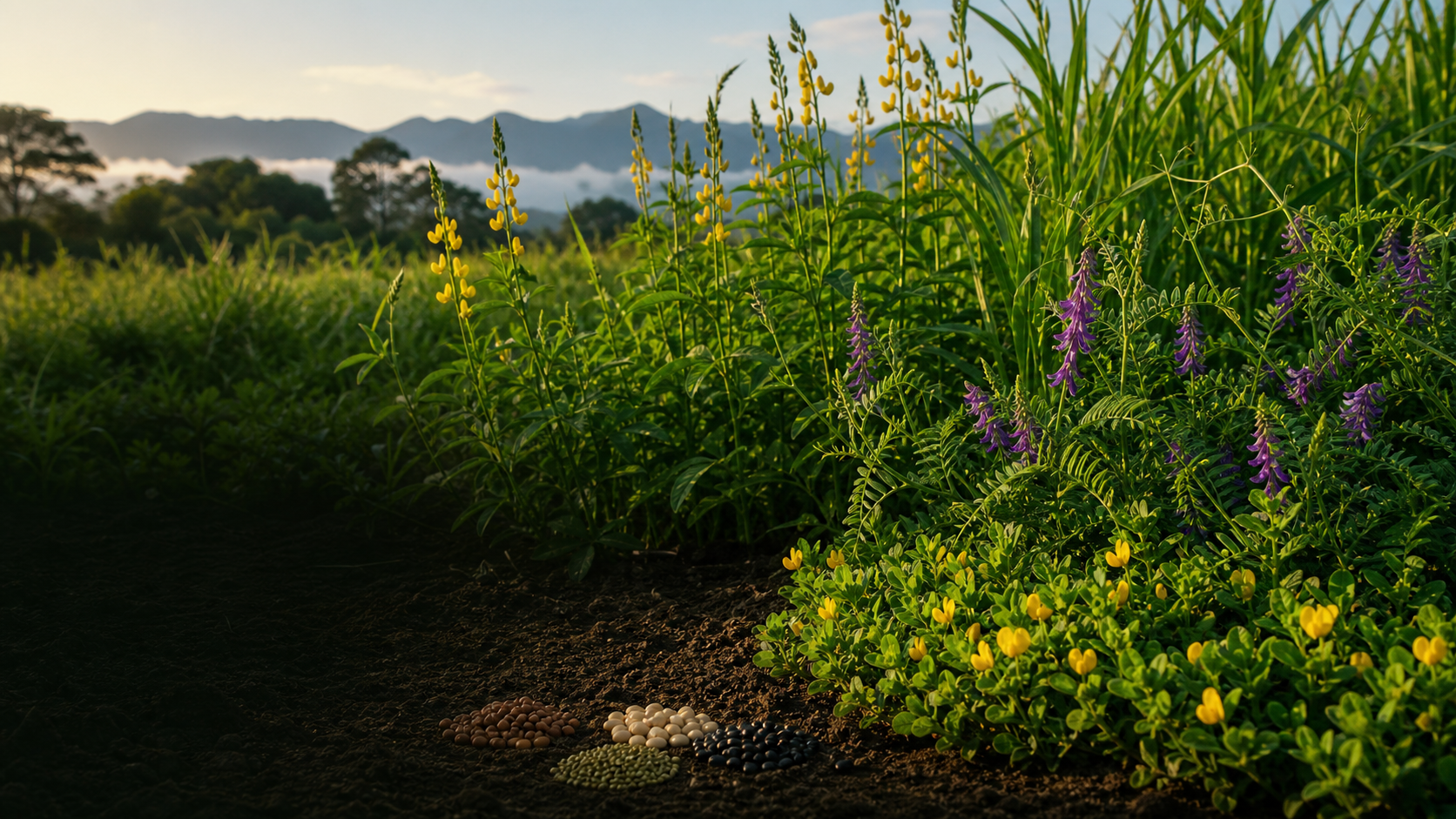
Compare cover crops and forages by function, environment and management—not by a single headline number.
Browse all varietiesWhat job does it do? Where does it fit? How is it established? How should it be managed—and where should it not be used?
The catalogue brings annual cover crops, perennial legumes and improved tropical grasses into one consistent system. Use the filters to create a shortlist, compare two or three candidates, then open each profile for establishment, management, technical traits and limitations.
Nitrogen, forage, soil cover, pest rotation or living groundcover.
Temperature, rainfall, drainage, shade, soil and growing window.
Seed form, placement, first use, termination and the next crop.
Source, location, range, management level and known limitations.
Start with how the plant will be used, then narrow by production system, primary objective, climate and plant group. Select up to three profiles for a side-by-side comparison.
Choose one or combine several
Selections combine across groups and broaden within each group
 Legume
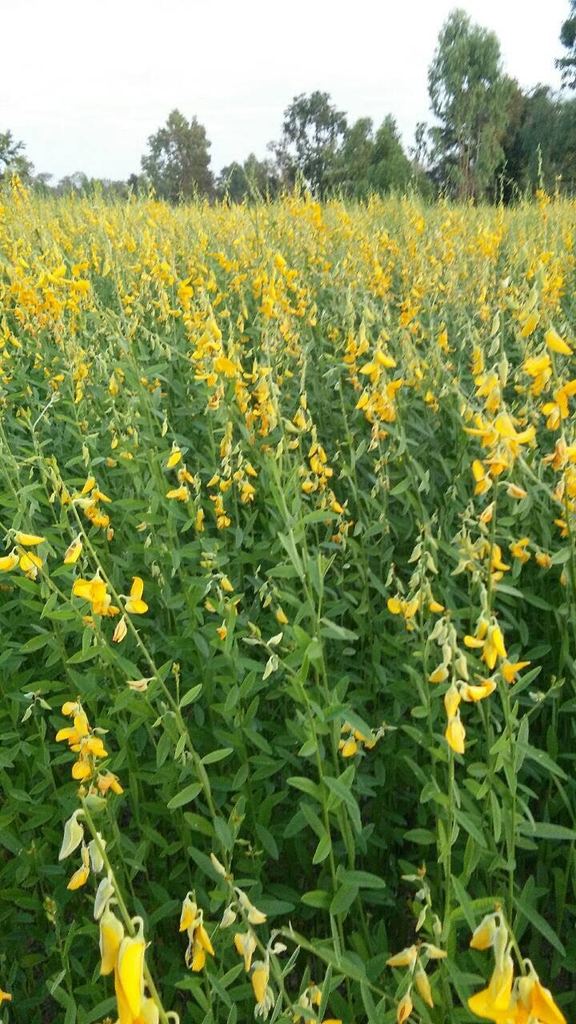
An improved, uniform selection of Crotalaria juncea that establishes rapidly to build biomass, fix nitrogen and support cover-crop, soil-restoration and managed forage systems in warm climates.
 Legume
A longer-cycle, photoperiod-sensitive Crotalaria juncea selection developed for greater green- and dry-matter yield while retaining the forage quality associated with Crescent Sunn™.
 Legume
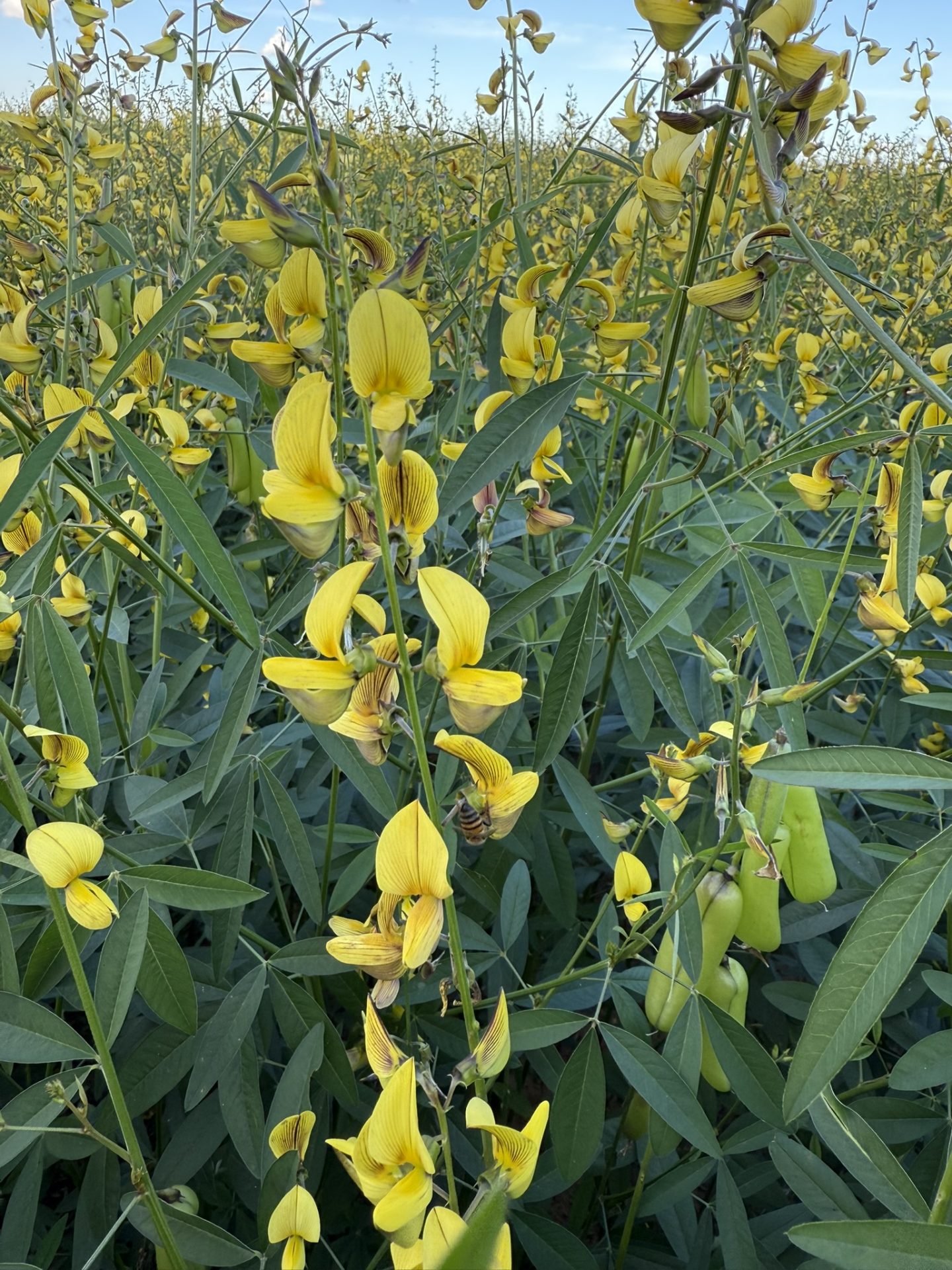
A compact tropical Crotalaria for green manure, soil cover and managed forage in warm production systems.
 Legume
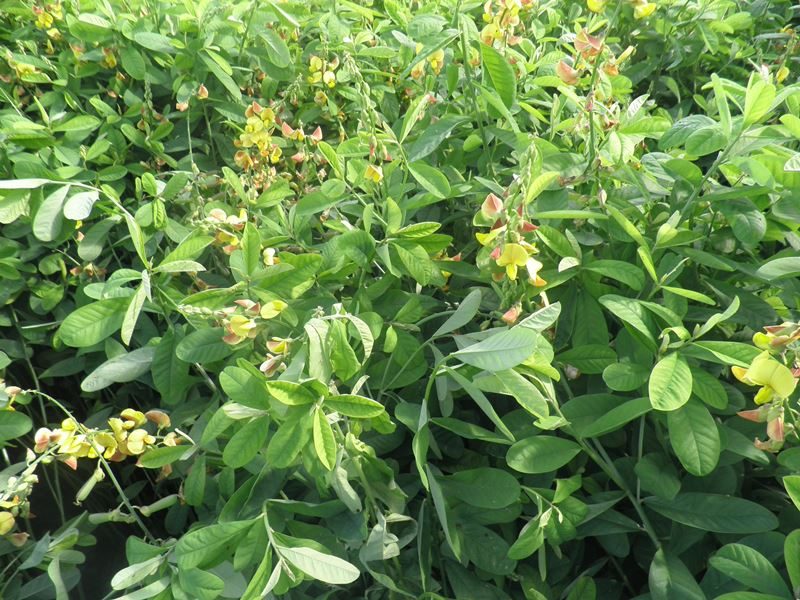
A lower-growing annual Crotalaria positioned for green manure, cover and selected nematode-management rotations.
 Legume
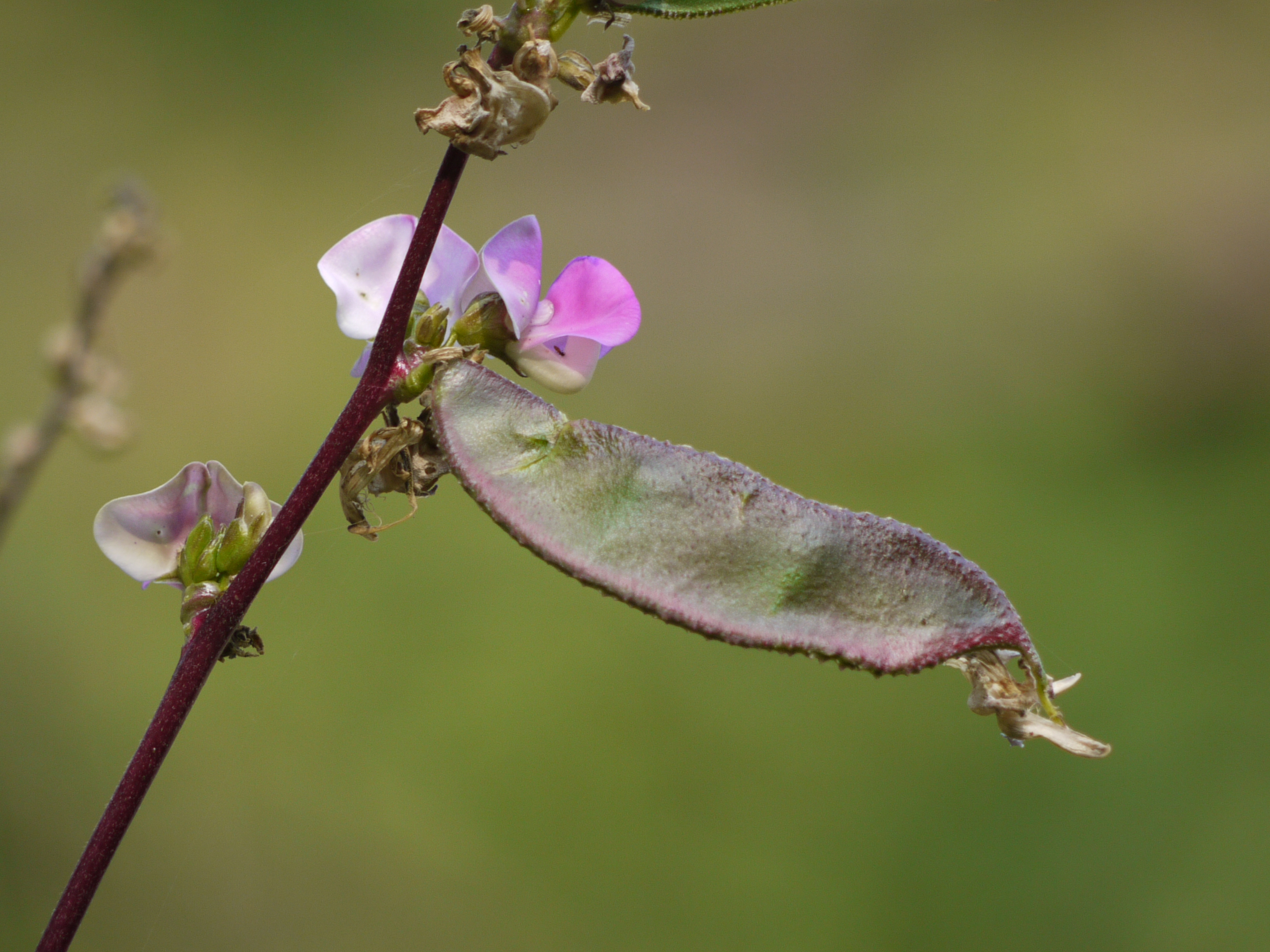
A drought-tolerant tropical legume for high-quality forage, green manure, warm-season soil cover and mixed crop–livestock systems.
 Legume
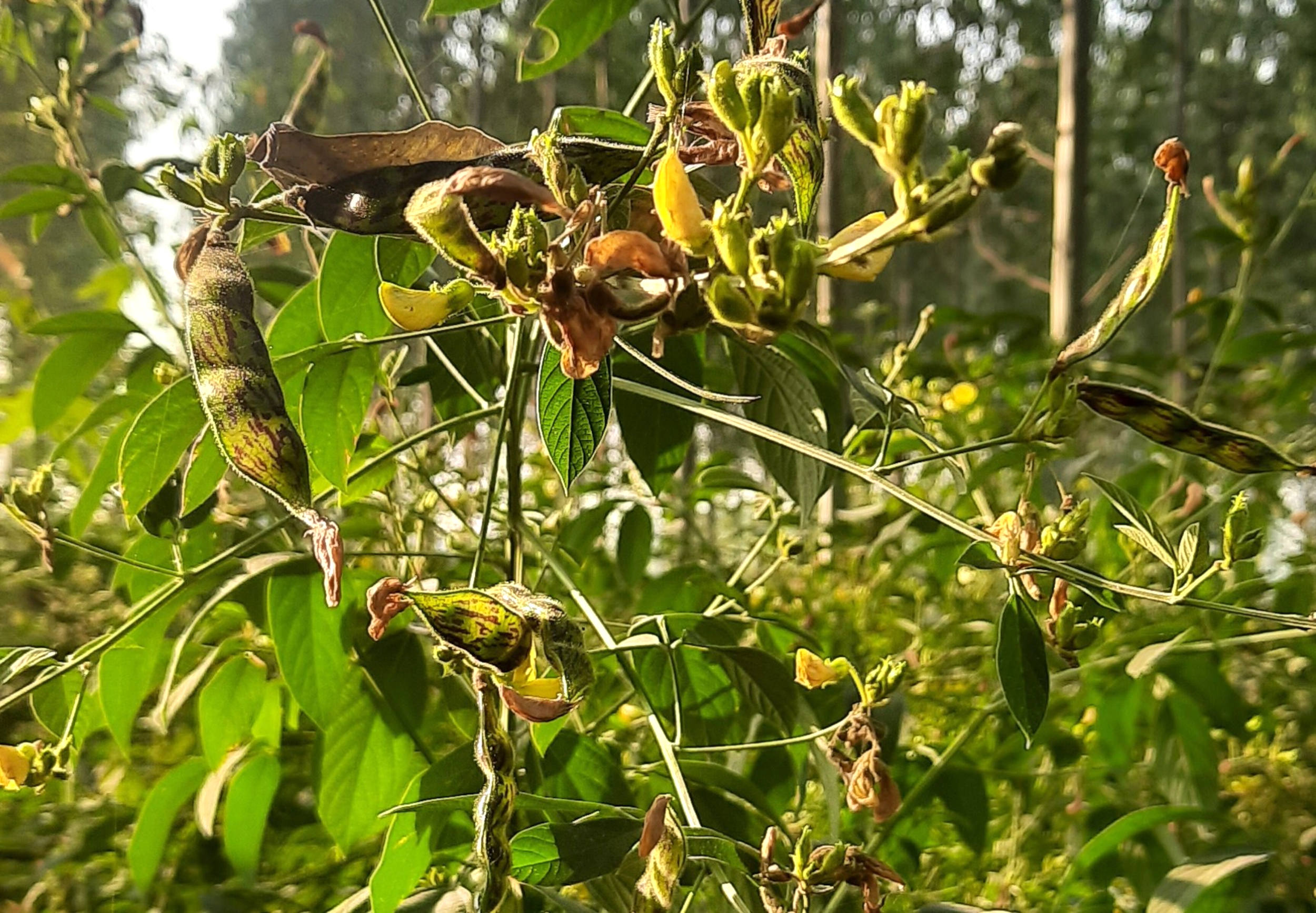
A deep-rooted, drought-resilient tropical legume for pulse and vegetable production, forage, green manure, windbreaks and diversified row-crop or orchard systems.
 Sedge
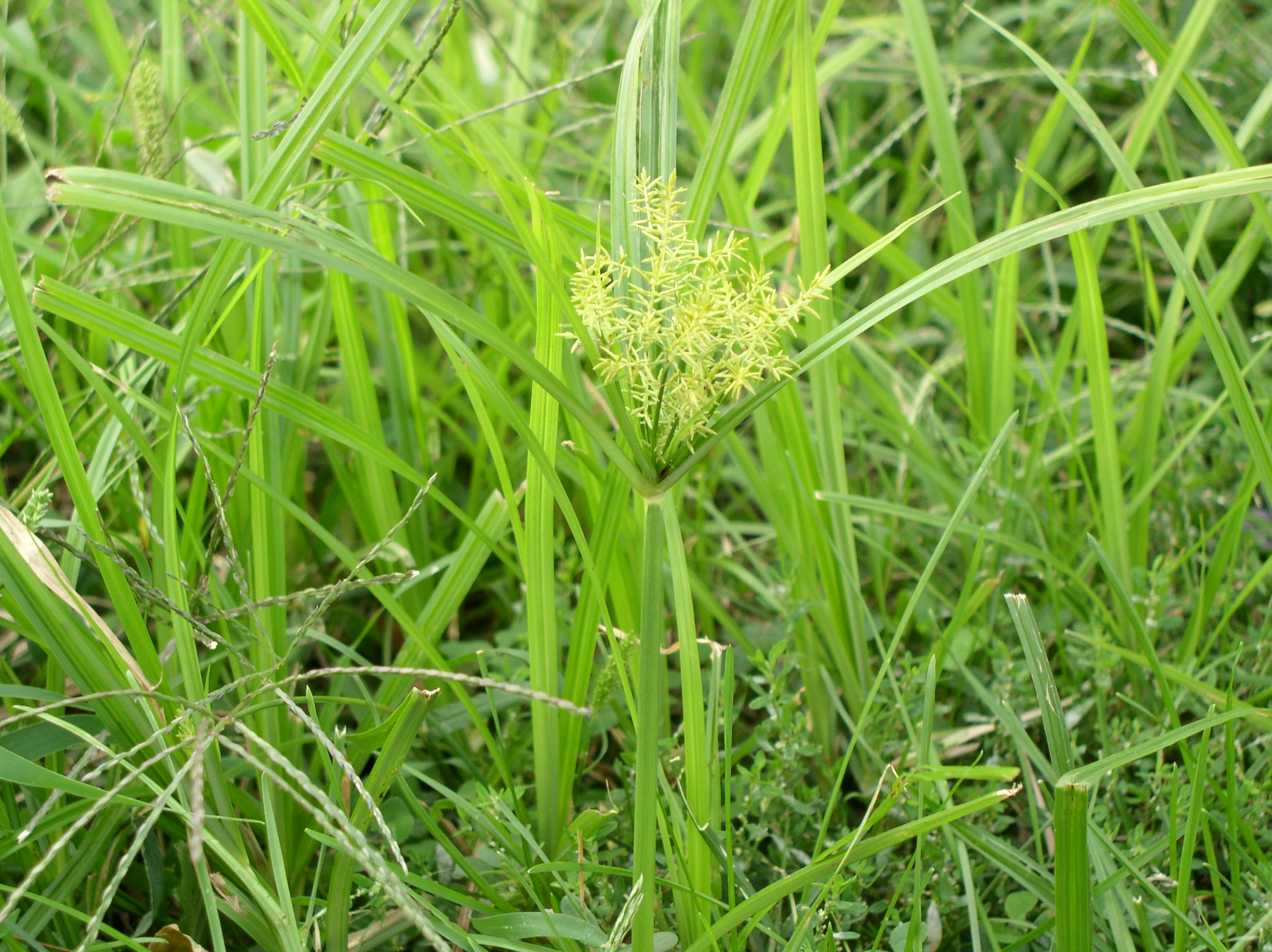
SedgeA warm-season tuber-producing sedge for dedicated wildlife food plots and specialty tiger-nut production—not a nitrogen-fixing cover crop or livestock forage.
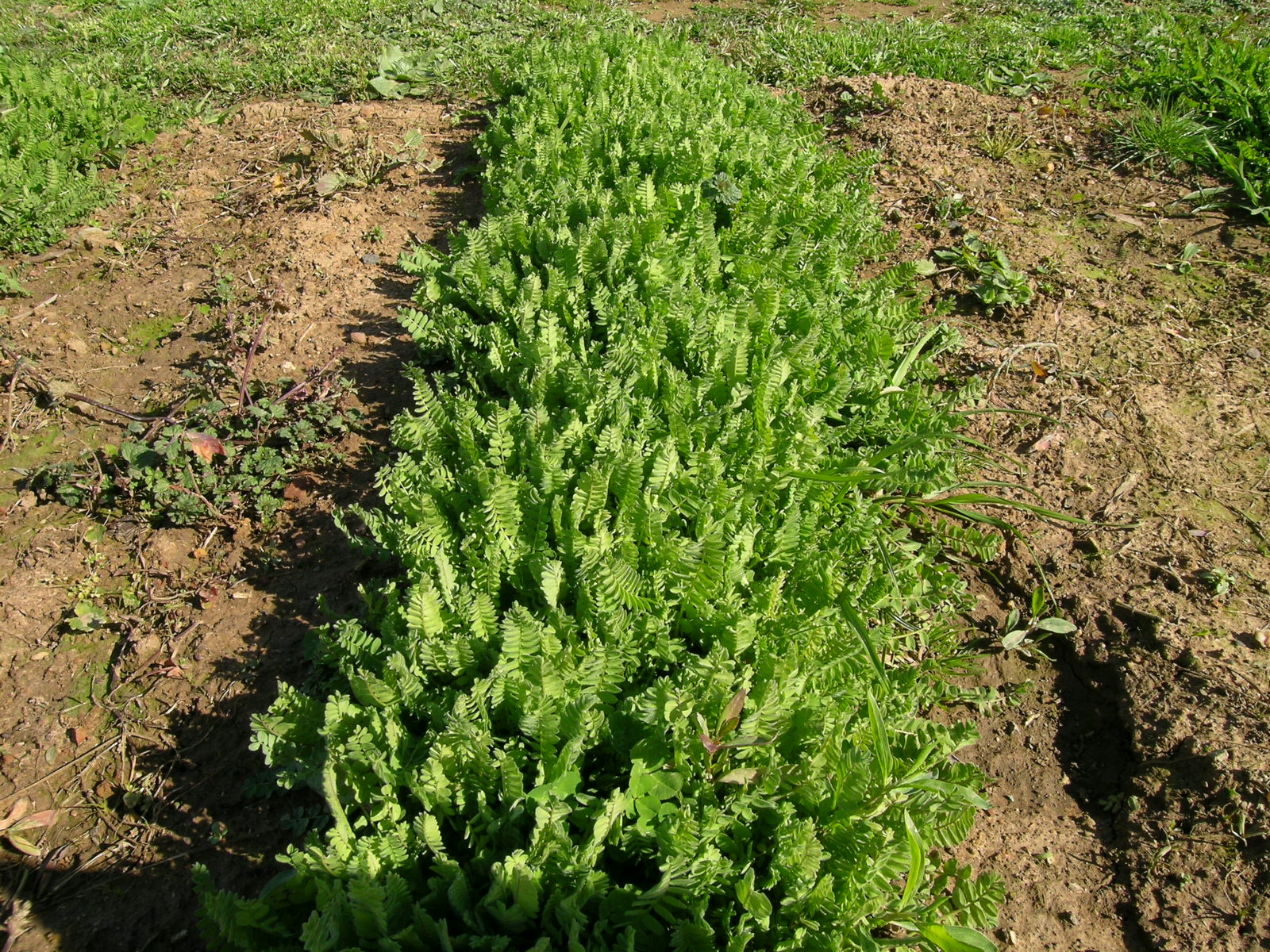 Legume
A cool-season annual legume for high-quality forage, nitrogen fixation and soil cover on acidic, sandy and low-fertility soils.
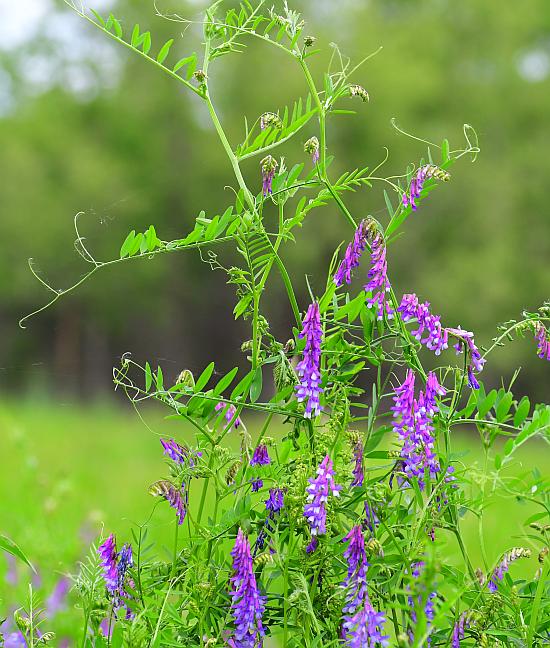 Legume
A Spain-produced annual legume with medium cold tolerance for winter forage, green manure and nitrogen-building cover in temperate and subtropical rotations.
LegumeAn Argentina-produced hairy vetch with high cold tolerance for winter cover, nitrogen-building rotations and managed forage in colder environments.
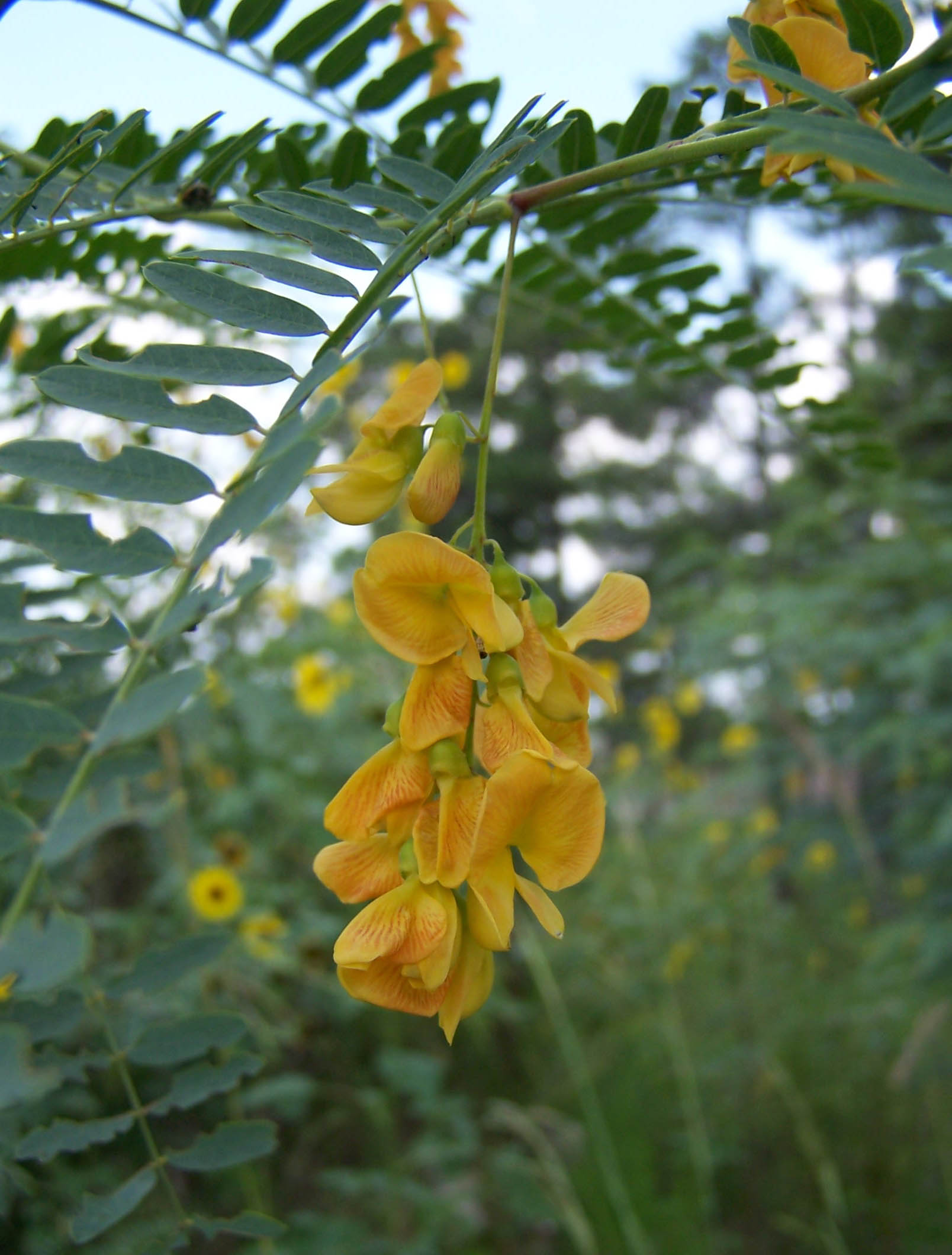 Legume
A tropical legume group used in selected green-manure, forage and soil-improvement systems, with commercial species and field fit confirmed by market.
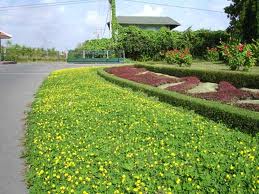 Legume
A persistent, shade-tolerant creeping legume for humid pastures, orchards and perennial-crop groundcover.
 Legume
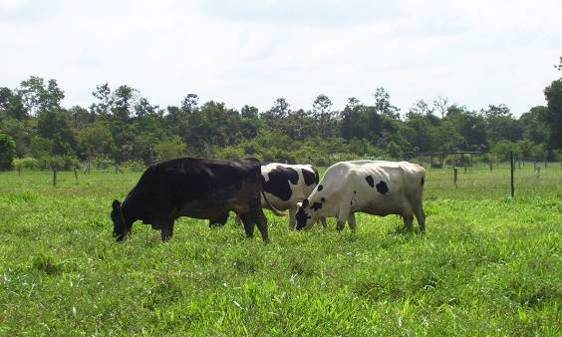
A four-line tropical forage-legume blend for free-draining, low-fertility acid soils and compatible grass pastures.
 Grass
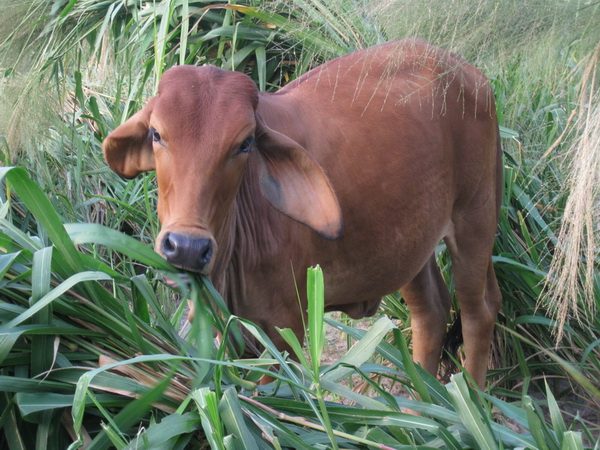
GrassA tall, productive tropical forage grass for intensive grazing, cut-and-carry, hay and silage on fertile, well-drained soils.
 Grass
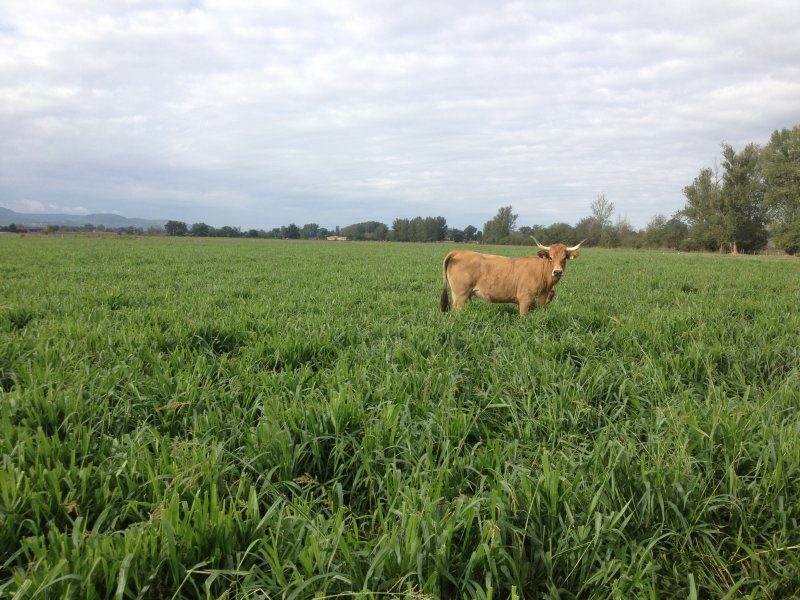
GrassA proven semi-decumbent tropical forage hybrid for productive grazing, hay, silage and pasture renovation in drought-prone environments.
 Grass
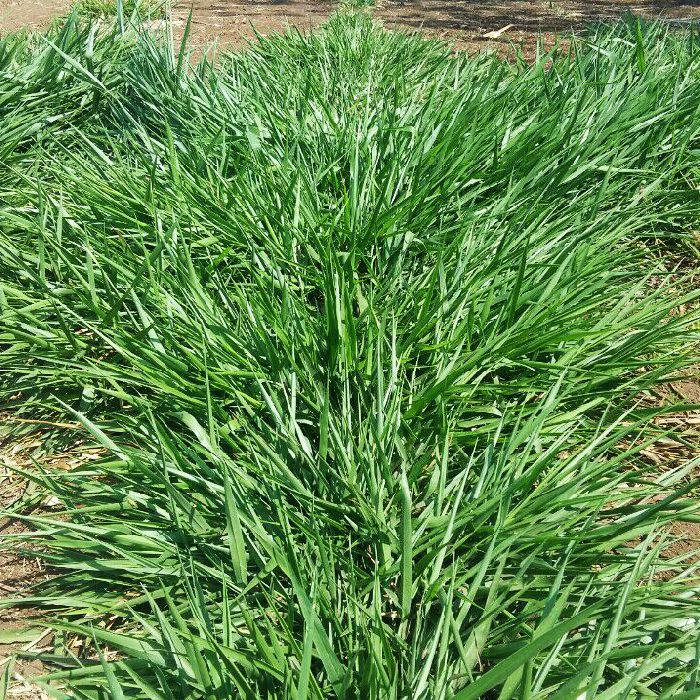
GrassA drought-focused hybrid pasture blend for grazing, hay and cut forage across warm tropical environments.
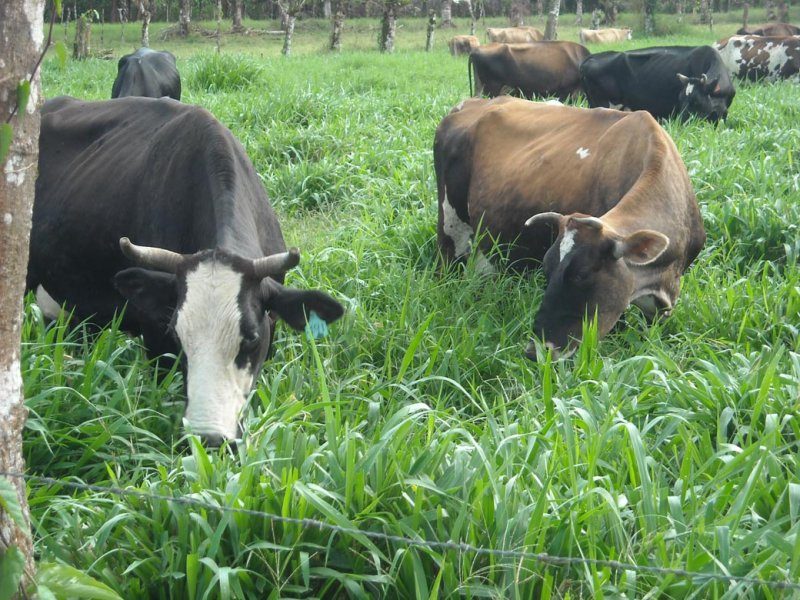 Grass
GrassA waterlogging-tolerant hybrid pasture blend for humid regions, heavy soils and production systems exposed to periodic excess water.
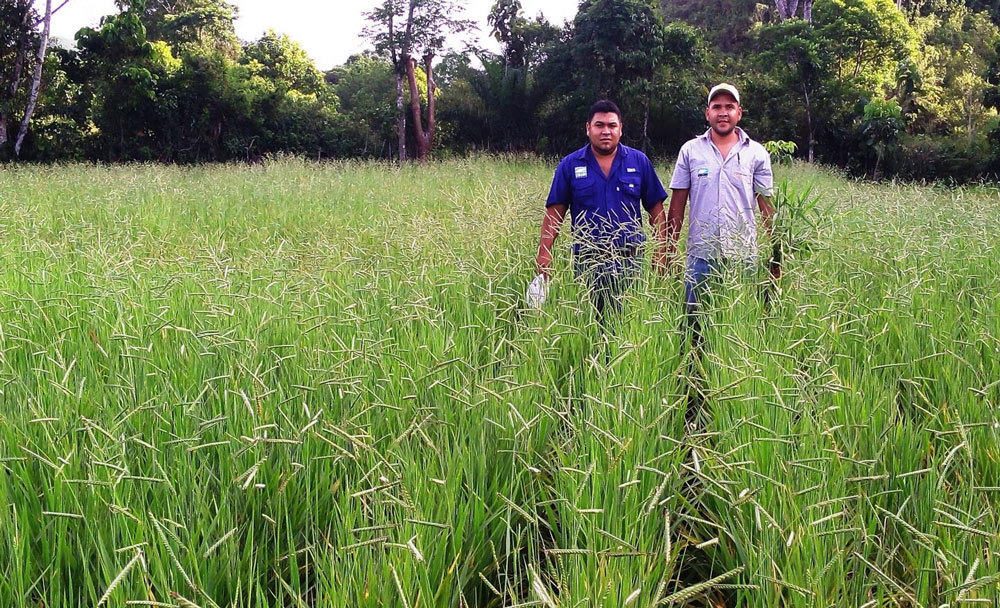 Grass
GrassAn erect, high-output tropical grass designed for intensive cut-and-carry, hay and silage systems.
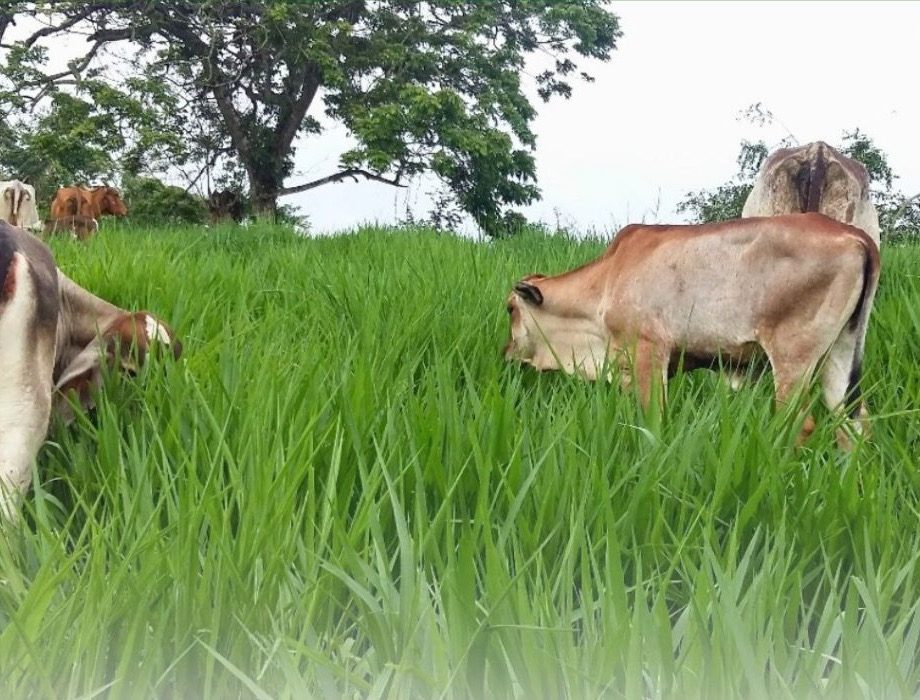 Grass
GrassA three-hybrid pasture blend combining productive regrowth, high forage quality and strong drought tolerance.
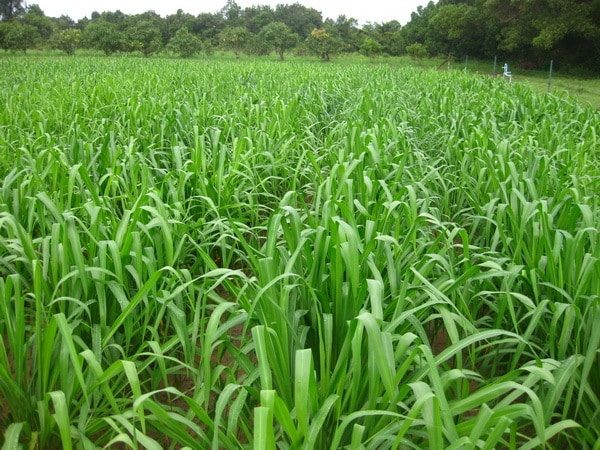 Grass
GrassA tall Panicum-type forage grass for grazing, hay and silage on medium- to high-fertility, well-drained tropical soils.
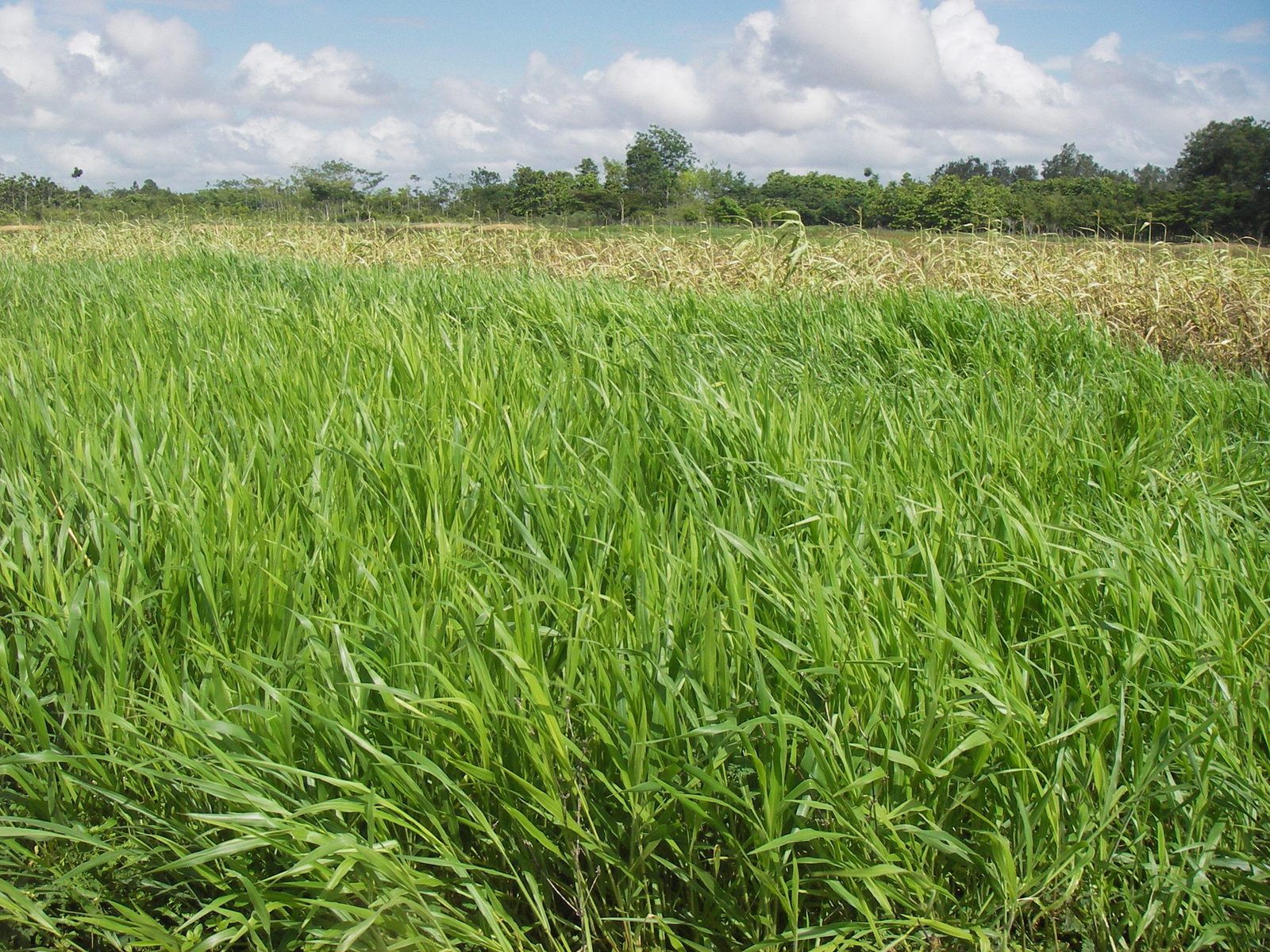 Grass
GrassA deep-rooted tropical grass that blends well with Crotalaria in temporary rotational cover-crop systems, adding biomass while helping improve soil conditions before the next crop.
Confirm the marketed seed form, local planting window, equipment and intended use before ordering or reducing another input.