
LegumeAnnual / weak perennialWarm season

Lablab

Lablab purpureus

A drought-tolerant tropical legume for high-quality forage, green manure, warm-season soil cover and mixed crop–livestock systems.
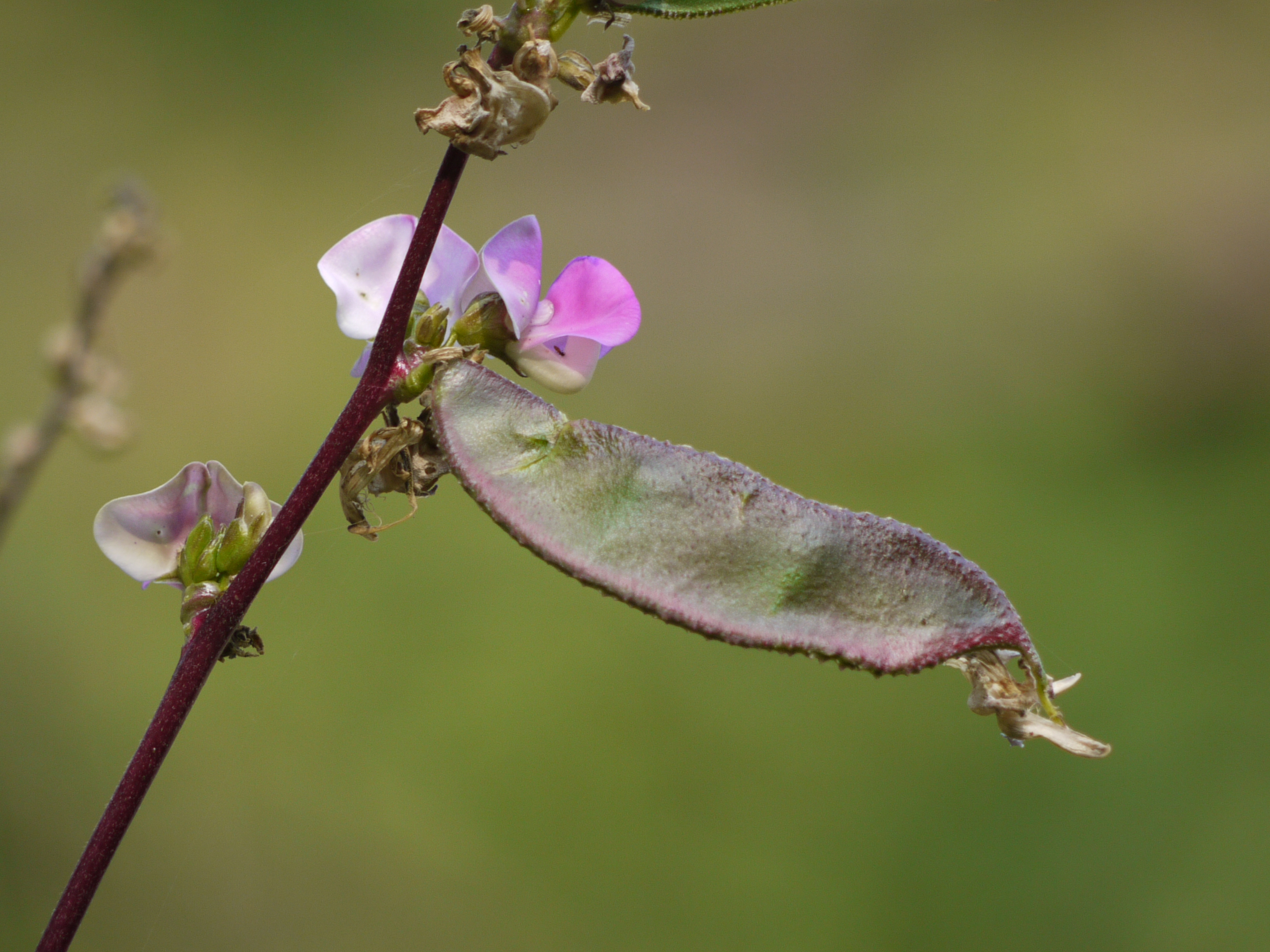
Lablab field view
Technical variety profile
At a glance

Authoritative forage guides describe lablab as a deep-rooted, multipurpose crop with high-protein leaves, strong drought performance and compatibility with sorghum, millet and maize.

Forage biomass1.4–2.5 t DM/acTexas cultivar trials
Leaf crude protein21–38%Published species range
Monoculture rate12–20 kg/ha
Grass-mixture rate5–8 kg/ha
Best temperature18–30°C
Soil pH5.0–7.5
01
Best fit

Where Lablab belongs

Warm-season forage, hay and silageDryland pasture and crop–livestock systemsRow-crop rotations needing nitrogen and soil coverMixtures with sorghum, millet or maizeManaged wildlife browse and deer food plots
#forage#nitrogen#drought#green-manure#wildlife
02
Why it performs

Three reasons to shortlist it

03
Technical data

Comparable specifications

Forage biomass1.4–2.5 t DM/acTexas cultivar trials
Leaf crude protein21–38%Published species range
Monoculture rate12–20 kg/haTechnical reference
Grass-mixture rate5–8 kg/haTechnical reference
Best temperature18–30°CTechnical reference
Soil pH5.0–7.5Technical reference
Growth habitVining, herbaceous annual or weak perennialTechnical reference
LightFull sunTechnical reference
Drought toleranceHigh once establishedTechnical reference
Waterlogging toleranceLow; requires drainageTechnical reference
Planting depth2.5–4 cm in a prepared seedbedTechnical reference
InoculationAppropriate lablab or cowpea-group rhizobiaTechnical reference
Primary usesForage, hay, silage, cover crop, green manureTechnical reference
Companion cropsSorghum, millet and maizeTechnical reference
Primary product documents

Download the technical sheet

Choose the language for a concise guide to key benefits, establishment, management, specifications and limitations.

View guides and supporting research
04
Establishment

Build the stand correctly

  1. 01Plant after frost risk into warm soil on a sunny, well-drained site.
  2. 02Prepare a clean seedbed because seedlings compete poorly with weeds before the stand develops.
  3. 03Use 12–20 kg/ha in monoculture or 5–8 kg/ha in grass mixtures, then localize the rate to seed size and planting method.
  4. 04Inoculate with the locally approved lablab or cowpea-group rhizobia where effective native strains are uncertain.
05
Management

Turn potential into performance

  • Use forage before flowering for the best balance of leaf proportion, quality and stem maturity.
  • Use rotational rather than frequent severe grazing; protect enough residual stem and leaf area for regrowth.
  • Cut green-manure stands before flowering and synchronize incorporation or termination with the next crop.
  • When intercropped with maize, separate planting dates or rows to manage early competition.
06
Limitations & safety

Know where it does not fit

  • Lablab does not tolerate prolonged waterlogging or moderate to heavy shade.
  • Cultivars differ widely in flowering response, maturity, forage form and cold tolerance.
  • Frequent severe defoliation can thin or eliminate the stand.
  • Raw mature seed contains anti-nutritional compounds and requires appropriate processing before human consumption.
07
Technical resources

Guides and supporting research

Technical guide · 2017

Cover Crop Options for Hot and Humid Areas

ATTRA Sustainable Agriculture · NCAT

Download from publisher
Technical guide · Current edition

Lablab purpureus

CSIRO · ILRI · Alliance of Bioversity International and CIAT

Open publication
View the complete Research Library
Field fit matters

Is Lablab right for your system?

Share the location, field conditions, primary use and planting window before selecting a rate or product.

Request a recommendation
