
Begin with a distinct, useful plant
Screen candidate material for adaptation, agronomic function, vigor and the traits that solve a defined production problem.

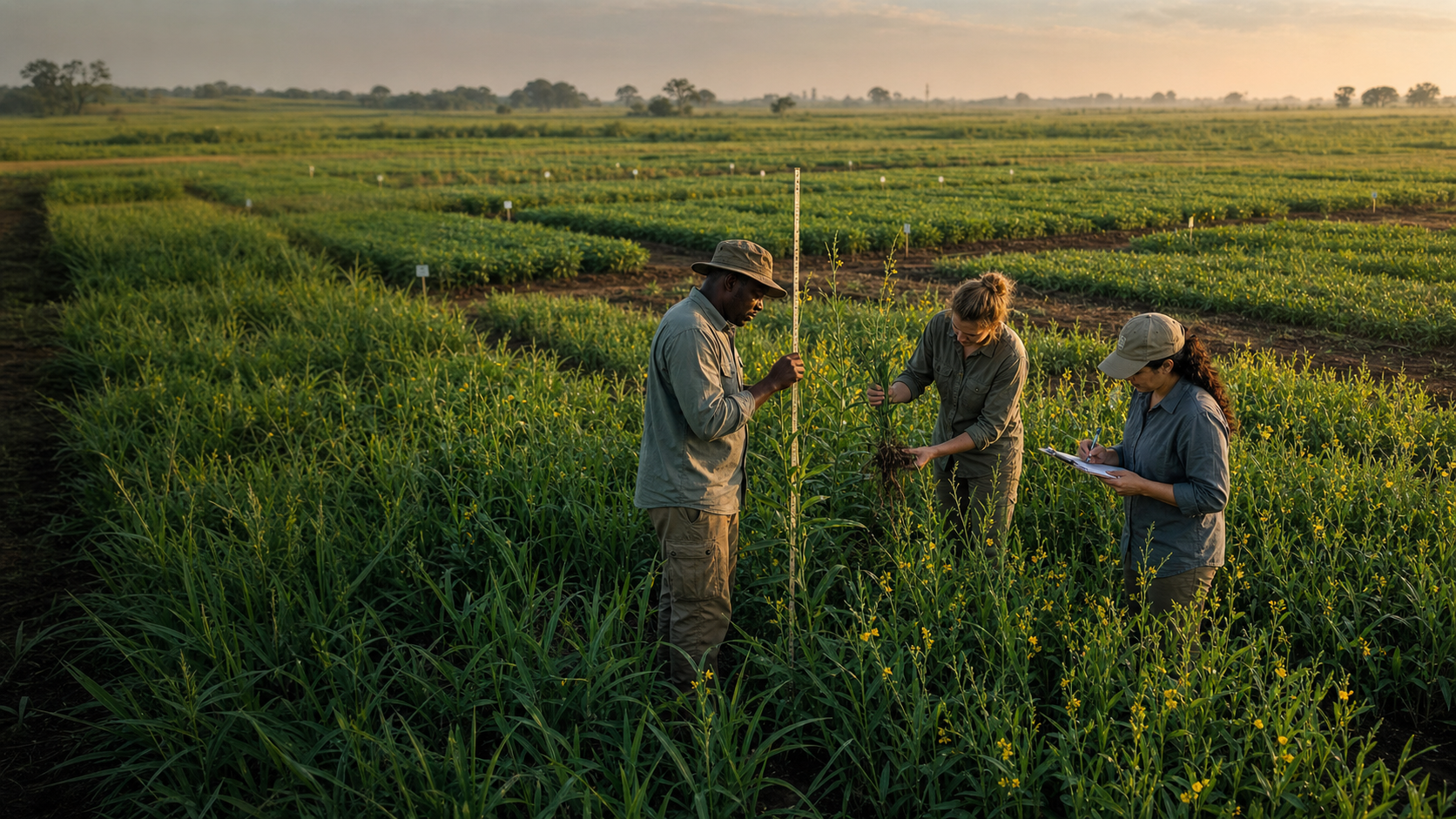
We test how genetics, environment and management work together—then translate the findings into clearer choices for growers and livestock producers.
Explore our research approachA promising plant is only the beginning. It has to establish, perform and remain useful under the conditions farmers actually manage.
Tropical Seeds connects genetics with field validation, reliable seed production and practical guidance. We study both potential and limits—because the most useful recommendation explains where a variety fits, how to manage it and what outcome to measure.
Screen candidate material for adaptation, agronomic function, vigor and the traits that solve a defined production problem.
Measure establishment, biomass, persistence, forage quality, nutrient cycling and pest response across real environments and management systems.
Improve multiplication, harvest, cleaning, germination, storage and coating decisions so genetic identity arrives as dependable planting seed.
Convert trial results into technical sheets, establishment guidance, market rules and recommendations that state both opportunity and limitation.
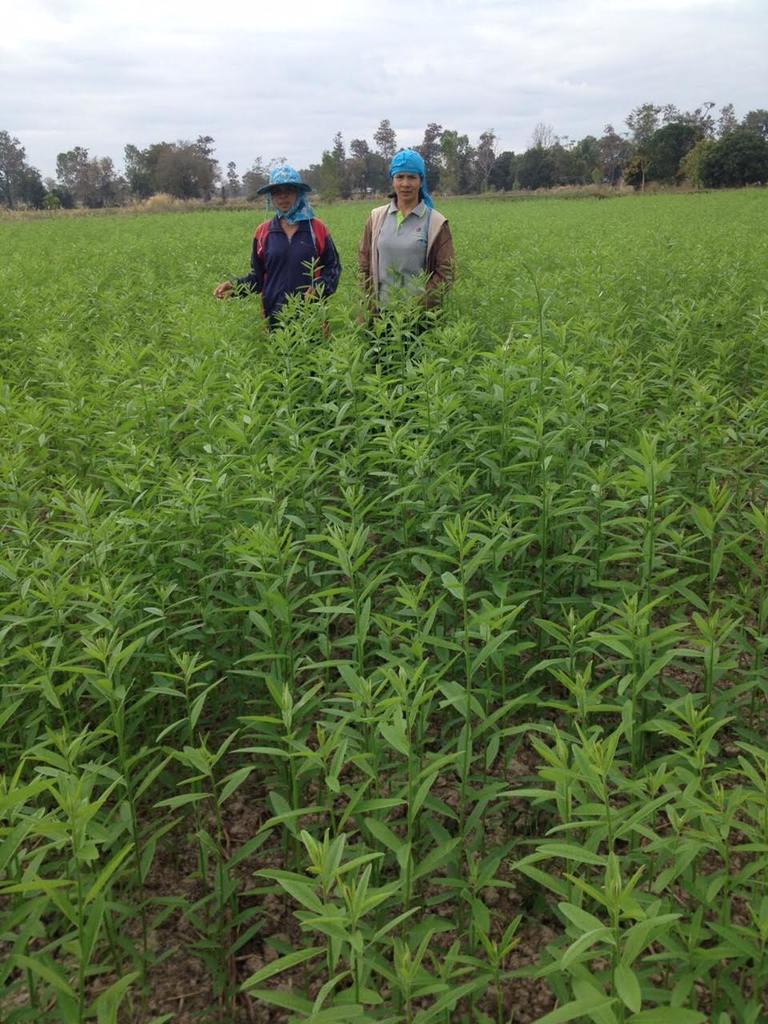
We work directly with independent seed producers and specialist partners in Thailand, Spain, Brazil, Mexico, South Africa and the USA. The model connects local crop knowledge with varietal planning and the markets each seed will serve.
Our research investments are designed to move useful genetics and proven methods into practical, productive systems for crops, livestock and soil.
Work with accredited universities to turn proven research into practical new ways to use cover crops.
Invest in research and breeding to bring varieties protected by Plant Breeders' Rights (PBR) to market and deliver measurable performance gains.
Question the conventions that keep traditional crop and livestock production from adopting better-performing systems.
Advance durable farming and grazing practices that strengthen productivity and resilience over time.
Evaluate every new genetic and production practice by how well it sustains soil health alongside crop and livestock performance.
The work changes by crop and location, but three priorities anchor the portfolio.
Crescent Sunn™ and other cover crops are evaluated for rapid establishment, biomass, nitrogen contribution, termination, selected nematode response and performance of the crop that follows.
MeasureStand · canopy · biomass · nitrogen · target pests · next cropTropical forage work compares drought, waterlogging, shade, regrowth, persistence, quality and grazing use—not yield in isolation.
MeasureEstablishment · seasonal growth · recovery · quality · persistenceProduction research connects genetics to seed yield, harvest timing, conditioning, germination, storage and coated-seed performance.
MeasurePurity · germination · dormancy · flow · storage · field emergenceDefine the decision, environment and comparison.
Use a design that can separate treatment from noise.
Record method, timing, management and useful outcomes.
Explain the result, uncertainty and limits of inference.
Translate evidence into the market and field in front of us.
Tropical Seeds works with public research organizations, universities, seed-production specialists and growers to test material across climates and production systems. Those relationships bring independent expertise and local questions into the same development process.
Technical guides, peer-reviewed articles, field reports and posters are organized in one searchable library. Relevant records also appear on individual variety pages so the evidence stays close to the recommendation.
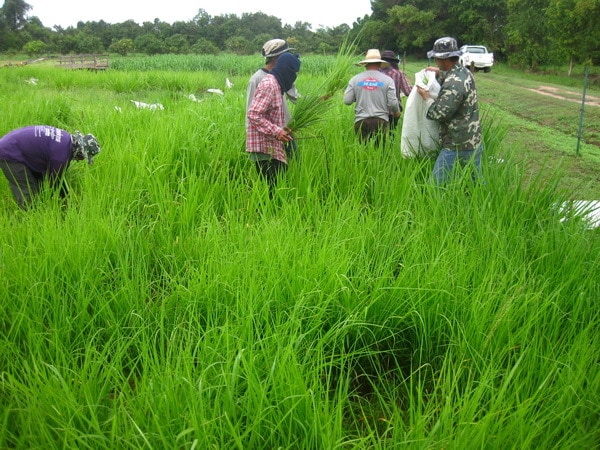
Replicated plots, production fields and customer observations each answer a different kind of question. We keep the site, season, management and comparison attached to the result so useful evidence does not become a universal promise.
Share the crop, location, decision and trial capability. The best partnerships begin with a question that matters in the field.