
SedgePerennial / managed annualWarm season

Chufa (Tiger Nut)

Cyperus esculentus

A warm-season tuber-producing sedge for dedicated wildlife food plots and specialty tiger-nut production—not a nitrogen-fixing cover crop or livestock forage.
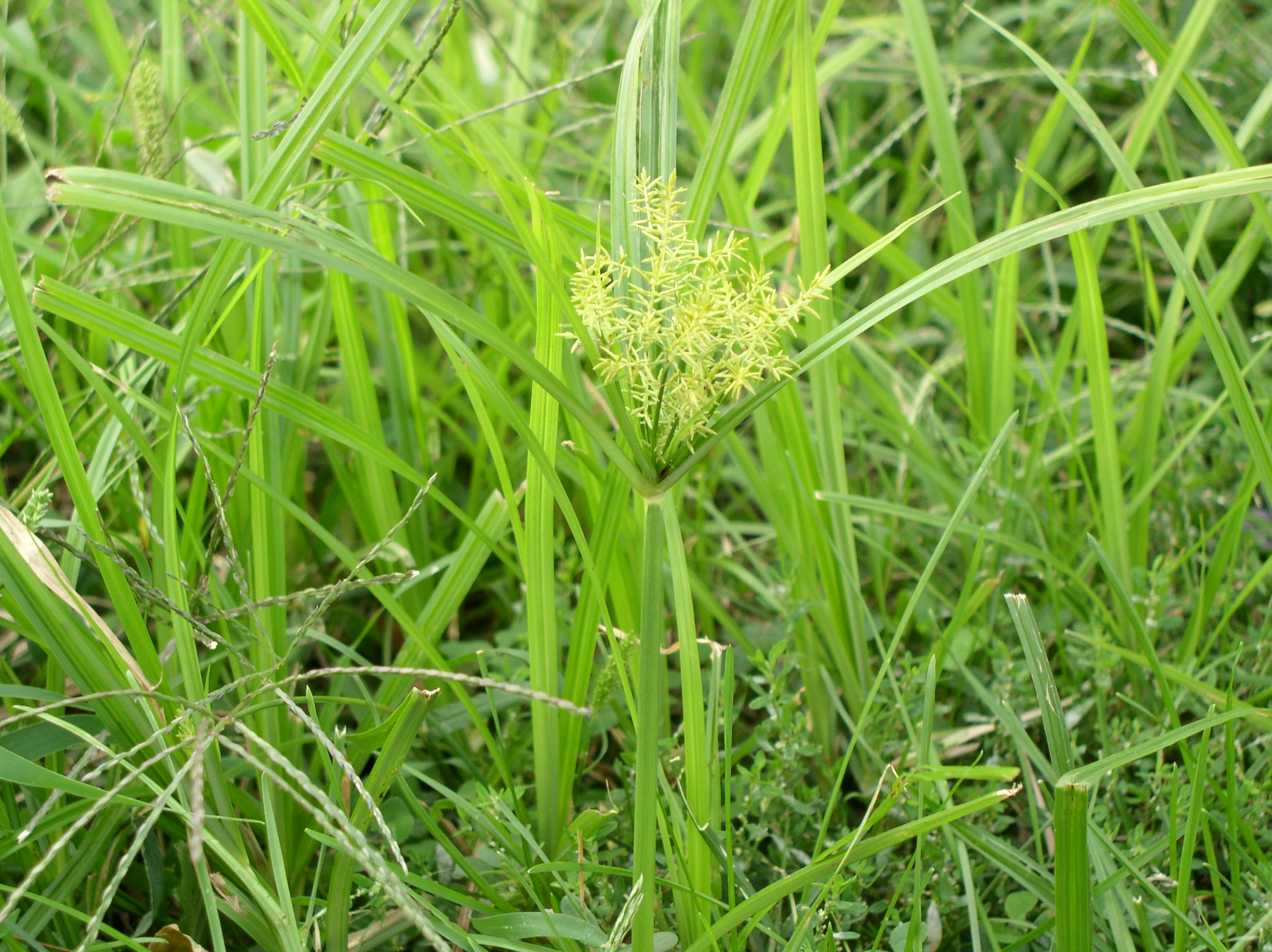
Chufa (Tiger Nut) field view
Technical variety profile
At a glance

Chufa produces underground nut-like tubers valued by wild turkey, deer and waterfowl and performs best in sunny, prepared plots with moist, workable soil.

Planting materialTubers
Row rate20–25 lb/ac
Broadcast rate30–40 lb/ac
Planting depth0.5–1 in / 1–2.5 cm
Soil pH5.0–7.5
Plot rotationRefresh after 2–3 years
01
Best fit

Where Chufa (Tiger Nut) belongs

Wildlife food plots for turkey, deer and ducksDedicated warm-season habitat acreageMoist sandy, loamy or silty clay soilsSpecialty edible tiger-nut production for vegetable and beverage markets where locally permittedSeasonally wet sites where spread can be contained
#wildlife#food-plots#tubers#wet-soils#specialty-crop
02
Why it performs

Three reasons to shortlist it

03
Technical data

Comparable specifications

Planting materialTubersTechnical reference
Row rate20–25 lb/acTechnical reference
Broadcast rate30–40 lb/acTechnical reference
Planting depth0.5–1 in / 1–2.5 cmTechnical reference
Soil pH5.0–7.5Technical reference
Plot rotationRefresh after 2–3 yearsTechnical reference
Growth habitRhizomatous perennial sedgeTechnical reference
LightFull sunTechnical reference
SoilMoist sandy, loamy or silty clay soilsTechnical reference
Flooding toleranceShort-duration floodingTechnical reference
Frost responseTop growth is frost-sensitiveTechnical reference
Primary useWildlife food plotTechnical reference
Secondary useEdible specialty tuberTechnical reference
Companion fitBest alone; Japanese millet in waterfowl plotsTechnical reference
Primary product documents

Download the technical sheet

Choose the language for a concise guide to key benefits, establishment, management, specifications and limitations.

View guides and supporting research
04
Establishment

Build the stand correctly

  1. 01Plant tubers after frost risk in late spring or early summer when soil is warming.
  2. 02Use a well-prepared, firm seedbed in full sun and correct lime and fertility from a soil test.
  3. 03Plant 20–25 lb/ac in rows or broadcast 30–40 lb/ac, covering tubers by 0.5–1 inch.
  4. 04Choose a dedicated plot where persistent tubers and future volunteers can be contained.
05
Management

Turn potential into performance

  • Control weeds early because chufa competes poorly with grasses and many broadleaf weeds.
  • Protect establishing plots from cattle, hogs and other animals that can graze, compact or dig plants prematurely.
  • Expose a few mature tubers if target wildlife does not initially recognize the plot.
  • Rotate or refresh plots after two to three years as weed and insect pressure rises.
06
Limitations & safety

Know where it does not fit

  • Cyperus esculentus is also yellow nutsedge and can become a persistent agricultural weed outside a contained production area.
  • Check local noxious-weed, planting and crop-marketing rules before sale or establishment.
  • Chufa is susceptible to many herbicides and should not be positioned as livestock forage.
  • Waterfowl food-plot manipulation can be regulated; confirm current wildlife and baiting rules before disturbing a planted stand.
07
Technical resources

Guides and supporting research

Technical guide · Current edition

Supplemental Food Plots: Growing Chufa for Wild Turkeys

Auburn University · Alabama A&M University

Open publication
View the complete Research Library
Field fit matters

Is Chufa (Tiger Nut) right for your system?

Share the location, field conditions, primary use and planting window before selecting a rate or product.

Request a recommendation
