
LegumePerennialWarm season

Ubon Stylo

Stylosanthes guianensis

A four-line tropical forage-legume blend for free-draining, low-fertility acid soils and compatible grass pastures.
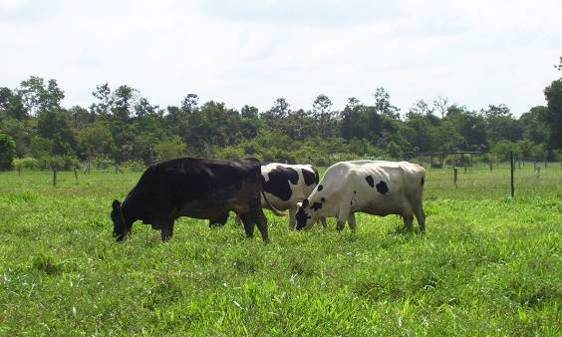
Ubon Stylo field view
Technical variety profile
At a glance

The source brochure reports 13–18 t DM/ha/year in Thailand and 14–20% crude protein under suitable management.

Dry matter13–18 t/ha/year
Crude protein14–20%
Pure stand rate6–8 kg/ha
Grass mix rate2 kg + 8 kg grass/ha
Rainfall800–1,600 mm
Soil pH4–5 adapted
01
Best fit

Where Ubon Stylo belongs

Free-draining sandy loamsLow-fertility acid soilsMixed pasture with compatible grassesGrazing, hay and green manure
#pasture#forage#acid-soils#nitrogen
02
Why it performs

Three reasons to shortlist it

03
Technical data

Comparable specifications

Dry matter13–18 t/ha/yearTechnical reference
Crude protein14–20%Technical reference
Pure stand rate6–8 kg/haTechnical reference
Grass mix rate2 kg + 8 kg grass/haTechnical reference
Rainfall800–1,600 mmTechnical reference
Soil pH4–5 adaptedTechnical reference
Growth habitPerennial shrub legumeTechnical reference
Planting depthSurface to 1–2 cmTechnical reference
Cut interval50–60 daysTechnical reference
Cut height50–60 cm targetTechnical reference
Residual15–20 cmTechnical reference
High-rainfall limitAvoid >2,000 mmTechnical reference
Primary product documents

Download the technical sheet

Choose the language for a concise guide to key benefits, establishment, management, specifications and limitations.

View guides and supporting research
04
Establishment

Build the stand correctly

  1. 01Broadcast or shallow-drill 6–8 kg/ha in a pure stand.
  2. 02For the documented grass mixture, use 2 kg Ubon Stylo with 8 kg Mulato II/ha.
  3. 03Keep seed at the surface or no deeper than 1–2 cm.
05
Management

Turn potential into performance

  • Prefer grazing or cut every 50–60 days at 50–60 cm.
  • Leave 15–20 cm residual to support persistence.
  • Manage companion grass height to protect the legume component.
06
Limitations & safety

Know where it does not fit

  • Avoid heavy clay, saline and waterlogged soils.
  • Very high rainfall can increase disease and persistence risk.
  • Animal-performance claims need trial location, diet and comparator context.
07
Technical resources

Guides and supporting research

Technical guide · Current edition

Stylosanthes guianensis var. guianensis

CSIRO · ILRI · Alliance of Bioversity International and CIAT

Open publication
View the complete Research Library
Field fit matters

Is Ubon Stylo right for your system?

Share the location, field conditions, primary use and planting window before selecting a rate or product.

Request a recommendation
